Tasting menu
A concise seasonal menu preview that gives enough context without listing every course.
Tasting room
A quiet coastal tasting-menu room where reservations, wine, private dining, and guest details feel polished but still practical.
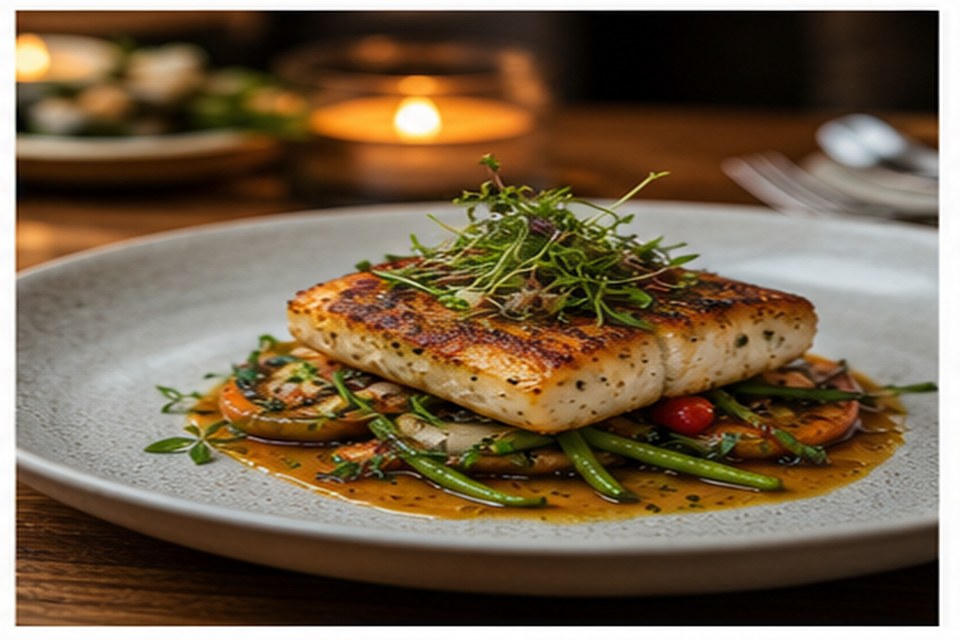
A concise seasonal menu preview that gives enough context without listing every course.
A practical beverage section for pairing, bottle list direction, and zero-proof notes.
A clear inquiry path for board dinners, anniversaries, and intimate celebrations.
Dress, timing, deposits, accessibility, parking, allergies, and cancellation notes in plain language.
The room
Six-course coastal menu: A sample tasting-menu card that describes the style, pace, and seasonal focus.
Cellar pairing: A wine-card module for pairings, optional upgrades, and zero-proof alternatives.
Private room dinner: An event inquiry card for 8 to 18 guests with a clear planning path.
Guests see the style, timing, price-language placeholder, and policy notes before they request.
Allergy, accessibility, occasion, and timing notes are gathered before confirmation.
A production site would connect to reservations, deposits, and guest communication.
A finished page could publish a verified guest story about service pacing, food, and occasion.
Sample tasting story
A private-room story could show how the restaurant handled planning, menu, timing, and wine.
Sample private dining story
A real restaurant can decide how much pricing to publish, but the reservation path should make expectations clear.
The site can collect dietary notes, but a real restaurant should use approved kitchen language and confirmation workflow.
Yes. Premium restaurants usually benefit from a separate inquiry flow for groups and buyouts.
Guest notes are collected before confirmation so the kitchen can review allergies and timing expectations clearly.
Start here
Use the sample intake to collect date, party size, occasion, and guest notes before confirmation.