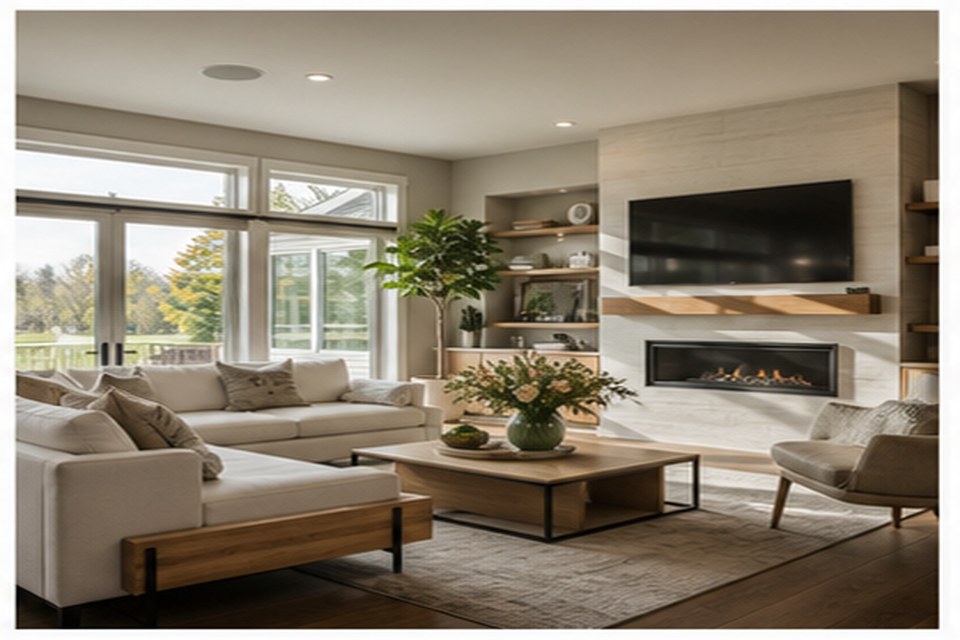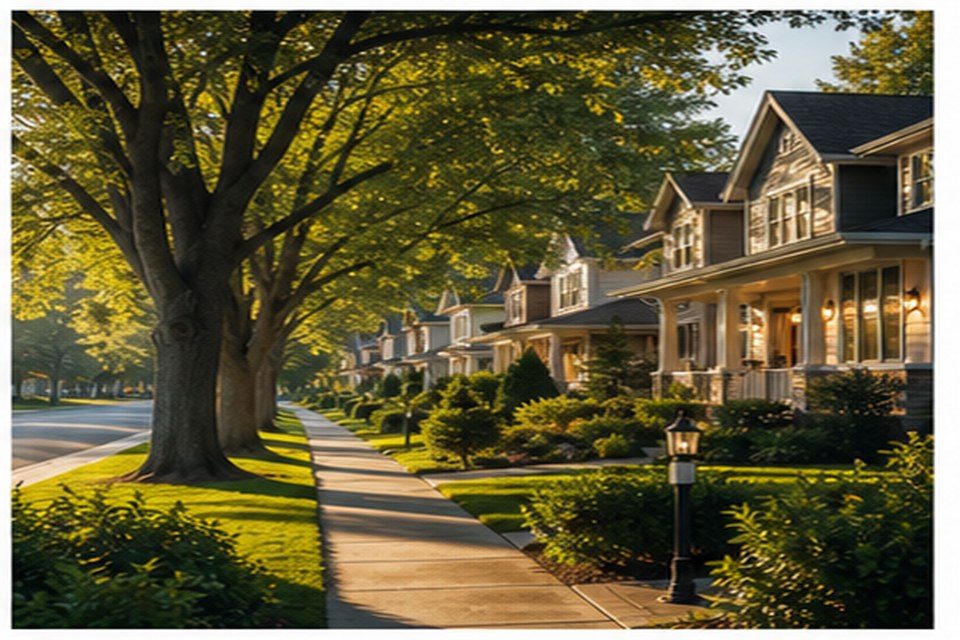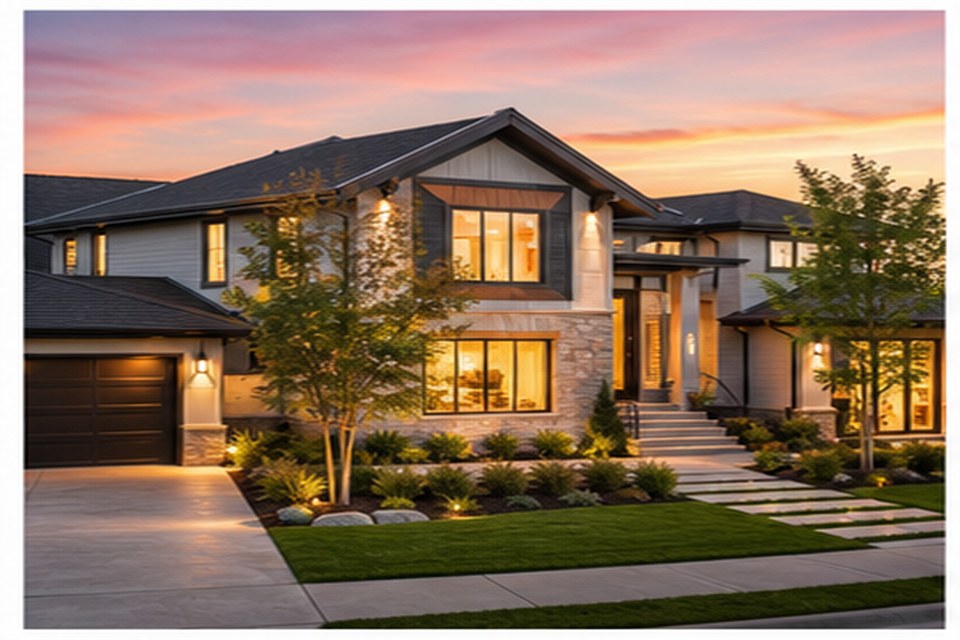
Cedar & Key is a sample neighborhood-first real estate site for families, right-sizers, and waterfront buyers who need practical local guidance before they tour, list, or relocate.
A realistic sample selection showing how a local agent can present homes with useful context, not empty placeholder cards.
Just Listed
Price Reduced
New Construction
Under Contract
A buyer path that explains what happens before tours, during offer strategy, and after acceptance.
Review budget, lender readiness, cash needs, and monthly-payment comfort before touring.
Compare daily-life fit, commute, flood questions, renovation scope, and resale risk.
Use sample comps, inspection strategy, and contingencies to shape a protected offer.
Track inspection, appraisal, financing, final walkthrough, and move-in logistics.
The sample seller path shows how a local agent can explain pricing, preparation, marketing, and negotiation without burying visitors in industry jargon.
Review condition, comparable homes, timing, likely buyer pool, and net-sheet questions.
Prioritize repairs, cleaning, styling, photography, disclosures, and showing flow.
Explain launch copy, photography, open-house plan, email/social content, and broker-approved listing channels.
Compare terms, negotiate repairs, manage contingency dates, and coordinate closing details.
Each neighborhood has its own rhythm. Here’s what you need to know before you start looking.
Established waterfront community with mature trees, quieter roads, and important dock, drainage, and insurance questions to study.
Vibrant waterfront village with boutiques, seafood restaurants, and a deep-water marina. New construction and condos available.
Historic charm with restored craftsman homes, a walkable Main Street, and community parks. Popular with young families and creatives.
Wooded suburban enclave with large lots, a community pool, tennis courts, and nature trails. Ideal for right-sizers and growing families.
Sample broker profile • neighborhood-first advisory
Marisol Vega is a fictional broker profile designed to show the kind of local credibility a finished site should communicate: practical guidance, clear communication, and a useful read on the tradeoffs between Cedar Bend, Key Marina, Old Mill District, and Willowmere.
A production biography would use the real agent’s licensing details, transaction experience, community involvement, team structure, and approved brokerage language. This concept keeps the tone concrete without claiming real credentials.
The strongest version of this section would answer buyer and seller questions quickly: what the agent knows locally, who supports the process, and what happens after the first call.
Illustrative market snapshot showing how neighborhood data could be packaged once a real brokerage supplies approved MLS and local-market inputs.
| Neighborhood | Median Price | Sold (90d) | Avg Days | Price Trend | Inventory |
|---|---|---|---|---|---|
| Cedar Bend | $575,000 | 24 | 34 | ↑ 4.2% | 18 |
| Key Marina | $689,000 | 17 | 28 | ↑ 2.8% | 12 |
| Old Mill District | $442,000 | 31 | 21 | ↑ 5.1% | 9 |
| Willowmere | $510,000 | 15 | 41 | ↓ 1.3% | 14 |
| All Lowcountry (4-area avg) | $554,000 | 87 | 31 | ↑ 2.7% | 53 |
Sample social proof written to show structure and placement without pretending these are real reviews.
Whether you’re buying, selling, or just curious — this shows the kind of intake path a production site would route to a real CRM.
Preview how a thoughtful value-review flow could work once a real valuation source and brokerage follow-up process are connected.
Tell us what you’re looking for and preview how personalized listing capture would work.
Straightforward answers a local brokerage could adapt with approved market, lending, and compensation language.
It depends on loan type, buyer profile, property type, and lender guidance. A production site would connect visitors with licensed lending advice rather than treating this sample FAQ as financial guidance.
This concept uses simulated market data. A real Cedar & Key page would update this answer from current brokerage-approved local data and separate waterfront, historic, and suburban inventory.
Most buyers benefit from understanding financing before touring seriously. A real brokerage could introduce lender options, but lender recommendations, rates, and terms should come from licensed providers.
Seller costs can include broker compensation, closing costs, repairs, staging, taxes, payoff items, and moving expenses. A production version should use the brokerage’s approved compensation language and a current net-sheet process.
A finished site could explain common inspection categories, coastal insurance considerations, pest and moisture questions, sewer/septic scope, and when a buyer should ask specialists for more detail.
Timing depends on financing, title, inspections, insurance, repairs, appraisals, and local closing practices. The sample site can show the checklist without promising a specific closing timeline.